
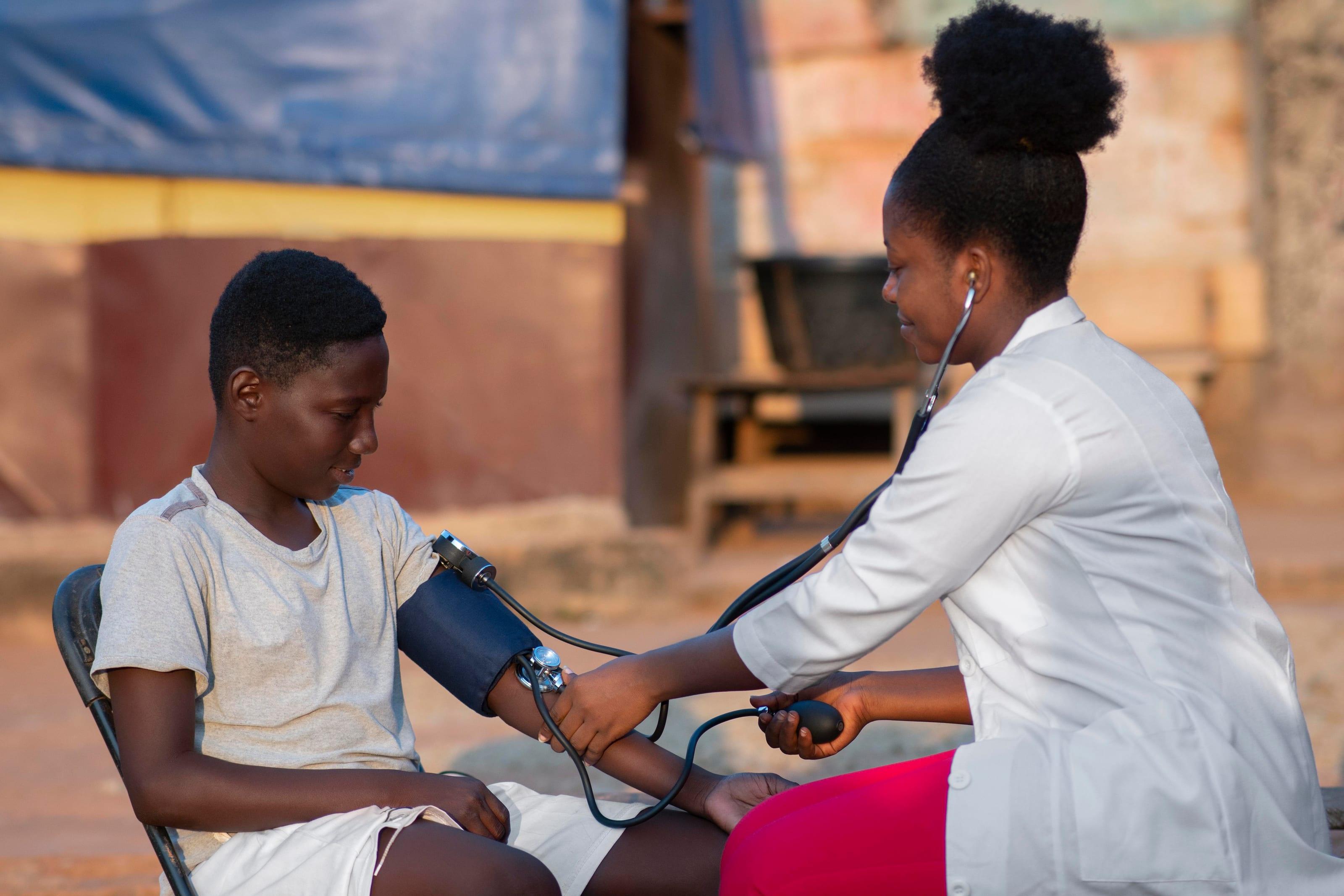
Few images in global health are as hopeful as a well-equipped clinic arriving in a village that has never had one. Few are as discouraging as the same vehicle, two years later, parked behind a ministry building with a flat tyre and an expired service contract. The difference is rarely the vehicle. It is the design of the programme around it.
1. Start from the route, not the vehicle
Fleet size, vehicle type and staffing should follow from a map: where the target population lives, the state of the roads in each season, and where the nearest referral facilities are. Predictable routes, announced in advance, matter more than impressive equipment. Communities learn when the clinic comes, and come back.
2. Never screen without a path to treatment
Screening that finds disease without a booked, supported route to treatment can do harm. Every route needs a referral hospital that has agreed to receive patients, a way to share records, and someone responsible for making sure each patient arrives. Where protocols allow, treating precancerous cervical lesions in the same visit removes the hardest step altogether.
3. Budget the tenth year, not the first
Purchase price is the smallest part of a mobile unit’s lifetime cost. Fuel, maintenance, spare parts, consumables, salaries and replacement must be costed and financed from the start, through national budgets, insurance reimbursement, development partners or a blend of all three.
4. Make the data travel with the patient
A mobile clinic that keeps paper records creates patients no one can follow. Offline-capable electronic records, synchronized when a connection is available and hosted under national control, allow results to be returned, follow-ups scheduled and outcomes measured.
5. Plan the handover on day one
The goal is a national programme run by national teams. That means recruiting and training locally, building supervision into the health system, and agreeing in advance who owns the vehicles, equipment and data.
The vehicle is the easy part. The programme is what saves lives.
These principles shape Treat on the Street, our programme model for mobile hospitals. We share them because they apply to any mobile health effort, whoever leads it.